Joy Foroughi
Executive Assistant


7 App Proposal Red Flags and the Terms Founders Should Demand
Before you sign anything, check a proposal for seven specific red flags: vague deliverables, unsupported timelines, unexplained estimates, unnamed team members, missing acceptance criteria, unclear exclusions and change costs, and an absent launch plan. Each section explains the wording to watch for, the risk it creates, and what to request instead.

Before you sign anything, check a proposal for seven specific red flags: vague deliverables, unsupported timelines, unexplained estimates, unnamed team members, missing acceptance criteria, unclear exclusions and change costs, and an absent launch plan. Each section explains the wording to watch for, the risk it creates, and what to request instead.
TL;DR:
Establish a prioritized feature list, prototype or wireframes, and written acceptance criteria before committing to the full build. If paid discovery is needed first, agree on its cost and deliverables separately.
Request named project leads or guaranteed senior staff hours, then tie milestone dates to deliverables and document assumptions about team availability and feedback.
Require phase-by-phase costs, role rates, explicit exclusions, and a written change approval process with capped rates or a not-to-exceed limit.
Set a named sign-off owner, written pass-or-fail tests, and an agreed UAT review window, with a process for correcting defects and retesting before acceptance.
Name who handles app store submission and rejections, establish client ownership and access to accounts and repositories, and require secure handover, documentation, training, and defined post-launch support.
1. Vague deliverables with no feature list or scope detail
Watch for phrasing like "we will build the features you want" or "scope to be defined during development." It sounds flexible, but flexibility without a baseline is how budgets double. Without a written feature list, you have no way to measure progress, and every addition becomes a negotiation instead of a line item.
Before committing to the full build, establish a clear scope. If discovery is needed first, agree on its cost and deliverables separately:
A prioritized feature list tied to user stories, not a general description of the app's purpose.
A clickable prototype or wireframe set that shows how screens connect.
Written acceptance criteria for each core feature, defined before development starts.
Pro Tip: Ask the vendor to explain when the prototype and detailed scope will be ready. These may be deliverables of a paid discovery phase, but they should be agreed before the full development commitment.
2. Unsupported timelines with no milestones or assumptions
A line like "delivery in 6 weeks" with nothing else attached is a guess dressed up as a plan. Real estimates come with assumptions: team size, feature count, review turnaround, and what happens if testing uncovers problems. Without those, a missed deadline just looks like bad luck instead of a predictable outcome.
A defensible schedule includes:
Named milestones tied to specific deliverables, not just calendar dates.
The assumptions behind the estimate, including team availability and your own response time for feedback.
Dedicated testing and review windows, not just development time.
A contingency buffer for requirements changes, third-party dependencies, and review delays that can extend the development schedule.
Pro Tip: Ask for a milestone cadence (design sign-off, alpha build, beta, launch) with dates attached to each, not just a single end date.
3. Unexplained estimates with no line-item breakdown
"Estimate: $40,000 to $60,000" needs context. A range can be reasonable early in discovery, but the proposal should explain which assumptions determine the final cost, what is included, and when the estimate will be refined.
A transparent estimate breaks down:
Cost by phase: design, development, QA, and third-party integrations.
Hourly or day rates by role, so you can see what a senior developer costs versus a junior one.
A defined method for pricing changes, agreed before work begins rather than negotiated mid-project.
Our cost breakdown guide for 2026 walks through what typically drives these numbers, which makes it easier to spot an estimate that's missing a category entirely. Confirm whether integrations, app store setup, and QA are included in the quoted price, even if they are not listed as separate line items.
4. Unnamed or unallocated team members
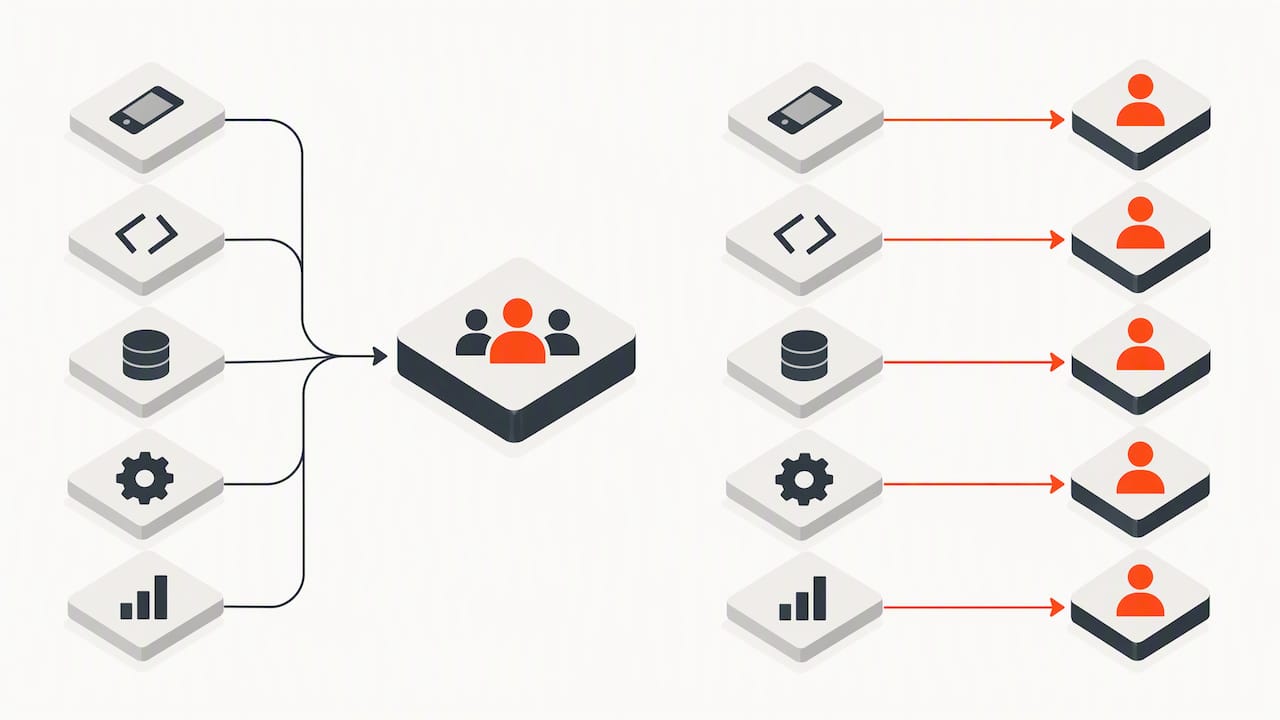
"Our team will staff the project with the right people" leaves important details open. Individuals may not be assigned at the proposal stage, but the vendor should still commit to defined roles, experience levels, availability, and accountability.
Before signing, ask for:
Named leads or, at minimum, specific role descriptions (senior developer, UX lead, QA engineer) with their level of experience.
The percentage of time each person will allocate to your project, since a "dedicated" developer splitting attention across five accounts isn't dedicated.
An escalation path: who you contact if the work stalls or quality slips.
Pro Tip: If individuals have not yet been assigned, request written commitments covering senior involvement, expected allocation, and how staffing changes will be communicated.
When proposals skip this, accountability gets diffuse fast. Nobody owns a mistake when "the team" made it.
5. Missing acceptance criteria and sign-off process
"Features accepted upon delivery" is one of the more common sentences hiding in proposals, and one of the costlier ones. It leaves "accepted" undefined, which means disagreements about whether something works get settled after money has already changed hands.
A clear process includes:
A written "definition of done" for each feature, agreed before development starts.
A short set of pass or fail test cases covering the main user flows.
A defined user acceptance testing (UAT) phase with a specific owner responsible for sign-off.
An agreed review window—for example, five business days after delivery for UAT—with a clear process for reporting defects, correcting them, and retesting before acceptance.
Tying payment milestones to these sign-offs, rather than to calendar dates alone, keeps both sides focused on working software instead of elapsed time.
6. Unclear exclusions and uncapped change costs
"Additional work billed at our standard rates" is vague enough to cover almost anything, and that's the problem. Scope creep rarely arrives as one big change. It shows up as a dozen small ones, each billed separately, each slightly above what you expected.
Before signing, pin down:
An explicit exclusions list: what's not included (third-party API costs, extra platforms, content creation).
A change-order workflow: how a change gets estimated, approved, and scheduled, with a stated turnaround time for quotes.
Capped hourly rates or a not-to-exceed (NTE) limit on change work, so costs can't drift without your approval.
Whether a small monthly retainer for minor changes makes more sense than per-change billing, which can reduce friction for ongoing small requests.
Our contract checklist for founders covers how to write these protections into the agreement itself, not just the proposal.
7. No launch, handover, or post-launch support plan
"Project ends at deployment" is a sentence that sounds tidy and creates real operational risk. Submitting an app to the App Store or Google Play involves its own approval process, and if nobody owns that step, launches stall. Worse, if credentials and documentation aren't handed over cleanly, you can end up locked out of your own app.
A complete handover plan specifies:
Who owns app store submission and how rejections get handled.
Client ownership and ongoing access to developer accounts and source code repositories, with secure transfer and rotation of API keys and other secrets where needed.
Documentation and a basic training session so your team can maintain the app.
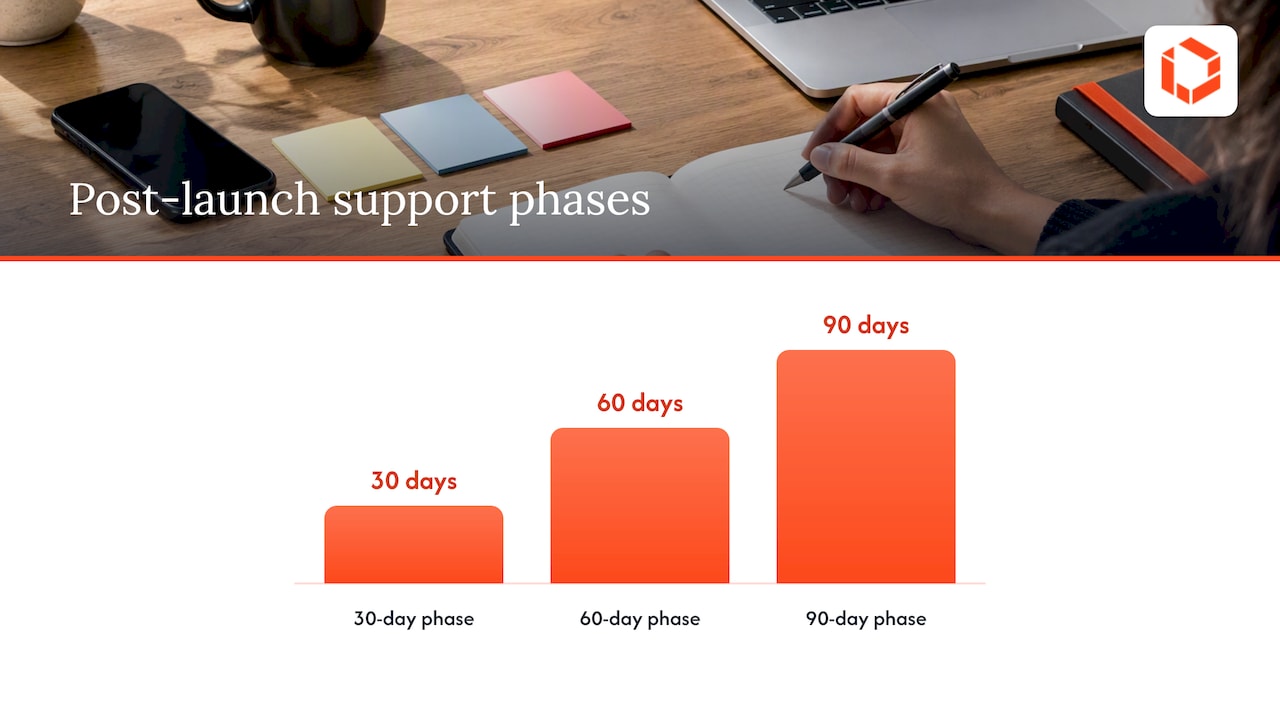
A defined post-launch support period that separates included defect fixes from paid enhancements and explains the terms for ongoing maintenance.
Pro Tip: Ask for this handover checklist in writing before you sign, not as a verbal promise to "figure it out at the end."
Our post-launch maintenance guide breaks down what ongoing support typically covers once the initial window closes.
How we build proposals that avoid these traps
At TouchZen, we help founders connect product goals with a clear delivery plan. When evaluating a proposal, we focus on scope, staffing, milestones, acceptance criteria, and launch responsibilities so expectations are clear before development begins.
With 75+ apps shipped, we understand the importance of making progress visible and planning beyond launch. When key assumptions remain untested, a small paid discovery or validation milestone can help clarify scope before committing to the full build.
Get a proposal review before you commit
Reading a vendor's proposal against seven red flags is useful, but a second set of senior eyes on your specific contract catches things a checklist can't. Our product strategy and consulting service helps founders clarify priorities, scope, and delivery plans. Contact us to discuss your proposal and the support you need before committing to a build.

If you're past the review stage and ready to build, our mobile app development service puts senior developers and designers directly on your project from kickoff, and our MVP development for startups track is built for founders validating an idea on a tighter budget. For apps already live, ongoing support and growth helps you plan maintenance and improvements after launch. Reach out to request a proposal review or scope a new build with our team.

FAQ
What are the top red flags in an app development proposal?
The seven most consistent ones are vague deliverables, unsupported timelines, unexplained estimates, unnamed team members, missing acceptance criteria, unclear exclusions and change costs, and no launch or handover plan. A proposal that handles all seven clearly is a strong sign the vendor has run this process before.
What do I need to know before building an app?
Start with a clear, prioritized feature list and a realistic budget range before you talk to vendors, since both will shape every proposal you receive. Our 2026 cost breakdown is a useful reference point for setting expectations before those conversations.
How do I compare multiple app development proposals fairly?
Score each proposal against the same checklist: scope detail, milestone clarity, cost breakdown, named staff, acceptance criteria, exclusions, and handover plan. An app development RFP template and scoring rubric can help you structure that comparison with consistent criteria across vendors.
What if my proposal includes multiple languages or regions?
Check whether localization is scoped as a separate line item, since translation, formatting, and testing across languages add real time and cost. This guide to app localization costs outlines what that work typically involves before you assume it's included.
How does TouchZen handle these red flags differently?
TouchZen brings experience from 75+ apps shipped to product planning and delivery. We help founders clarify scope, milestones, responsibilities, and post-launch needs. Specific staffing, acceptance, payment, and support arrangements should be documented in each project agreement.
Sources
Founders: 5 Protections to Lock IP in Mobile App Development Contracts
How Much Does It Cost to Build a Mobile App in 2026? A Founder's Breakdown